How culvert installation works, step by step
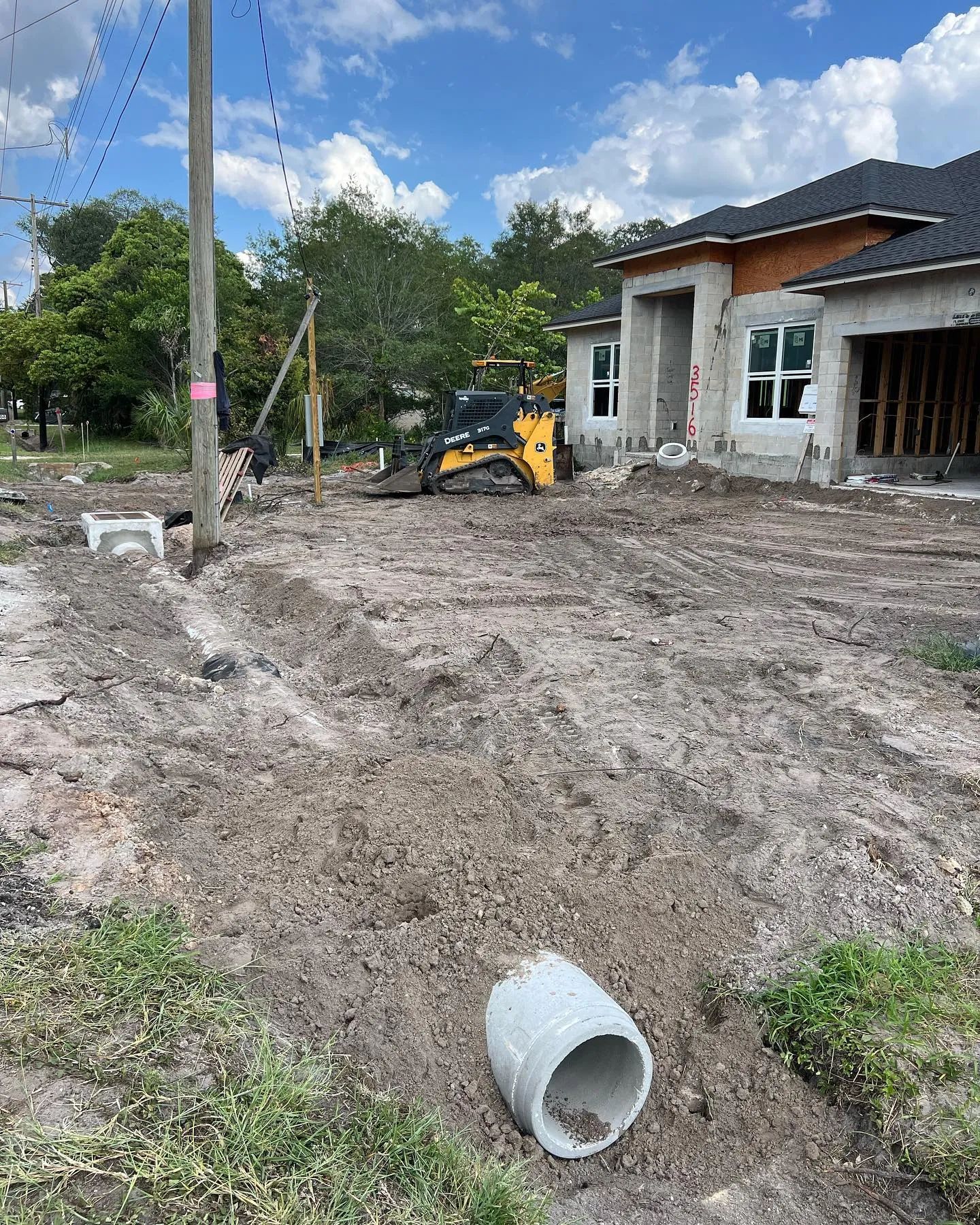
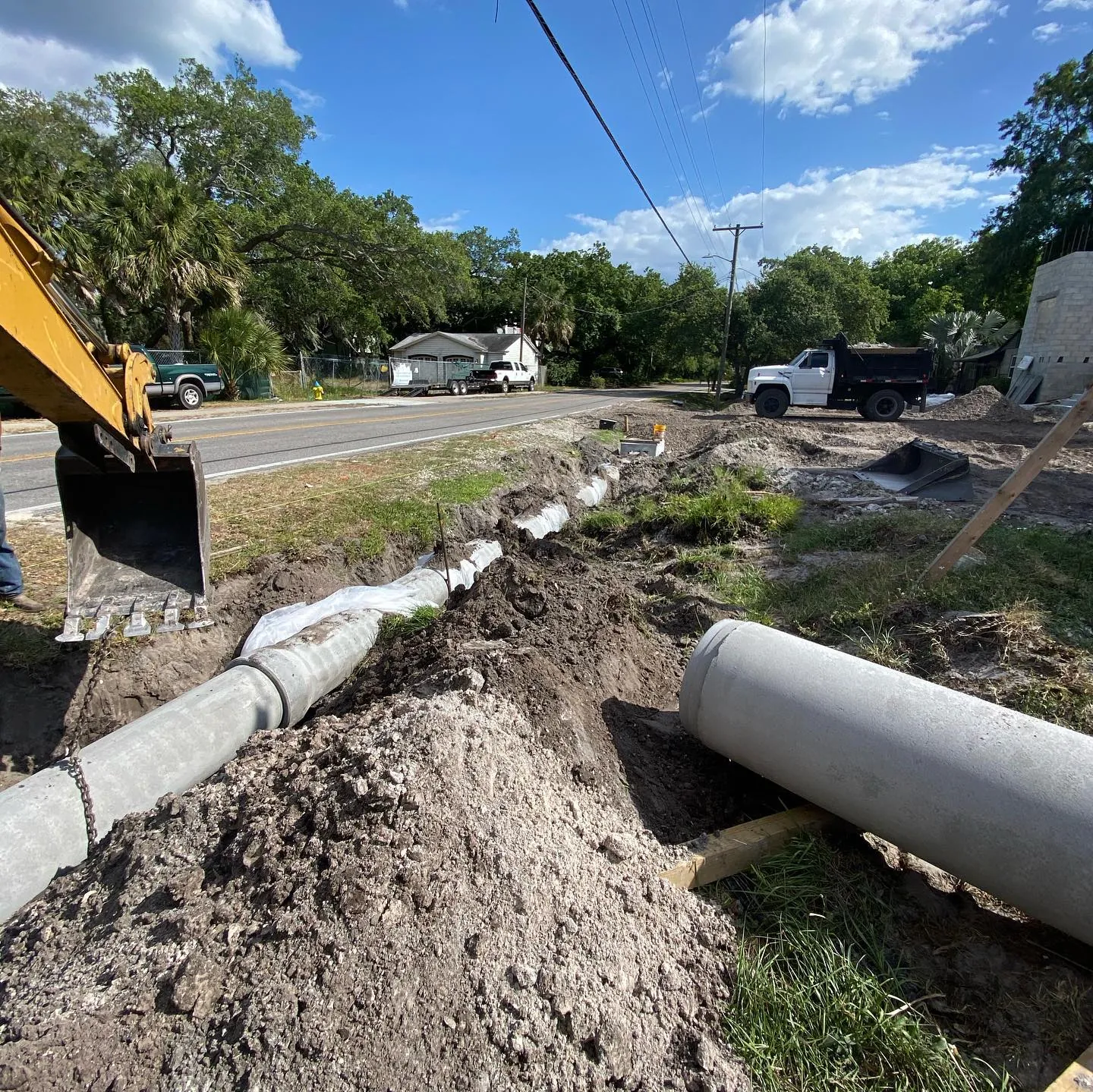
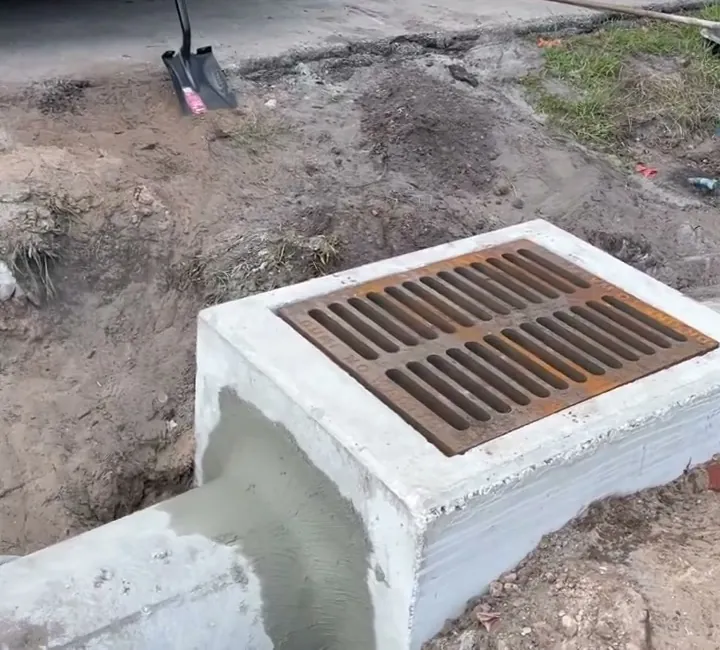
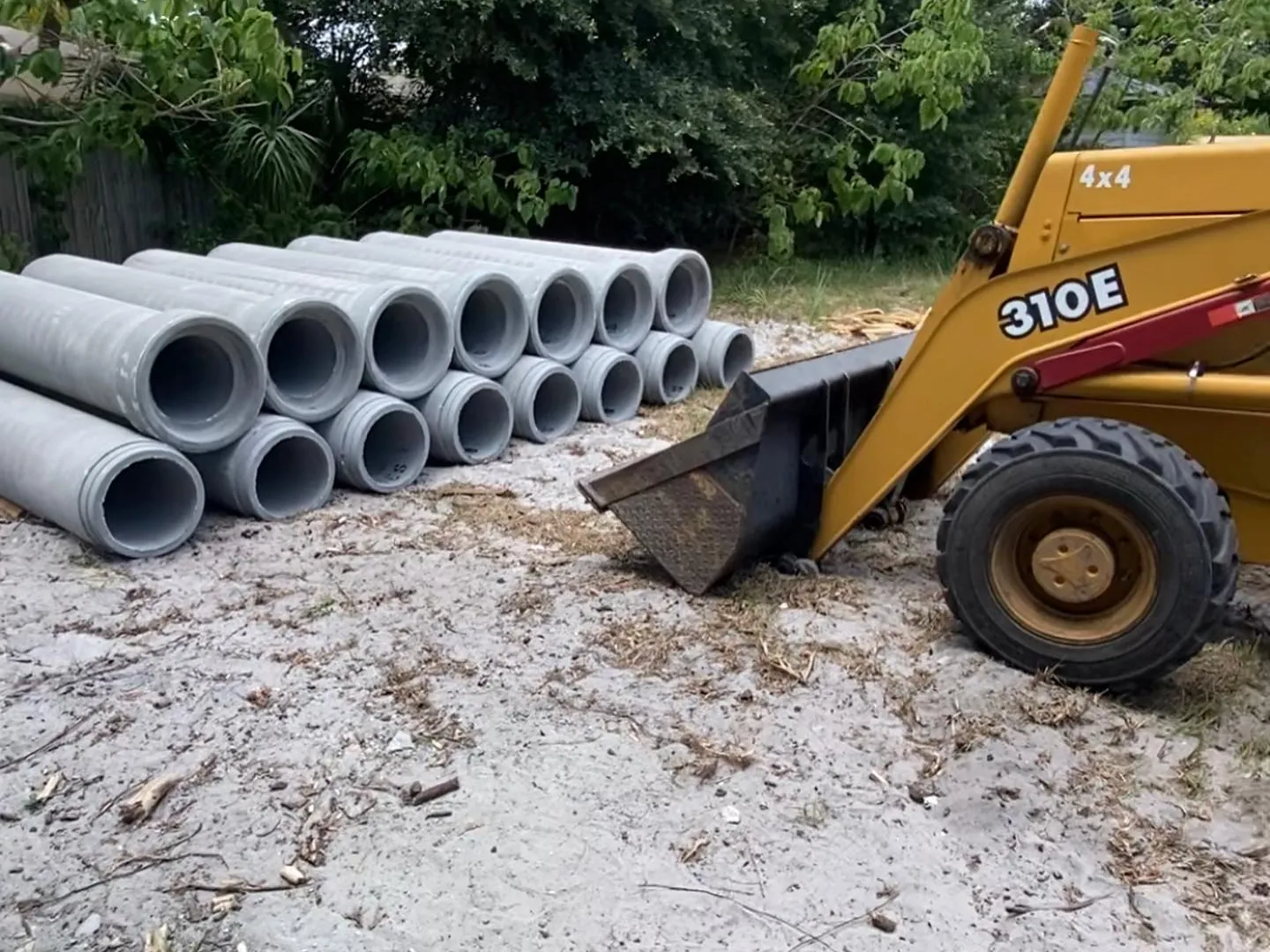
Driveway culvert installation starts with paperwork and marked lines. Florida law requires notice to the state's free notice system at least 2 full business days before digging. The owners of buried lines then mark where their lines run, with paint or flags. For a culvert replacement, we dig out the old pipe first. Then we shape a firm, even bed for the new pipe at the slope the plan shows. We set the pipe, add the end treatment the permit calls for and backfill around it. We compact the backfill in place around and over the pipe. Last, we regrade the swale at each end so water can reach the pipe.
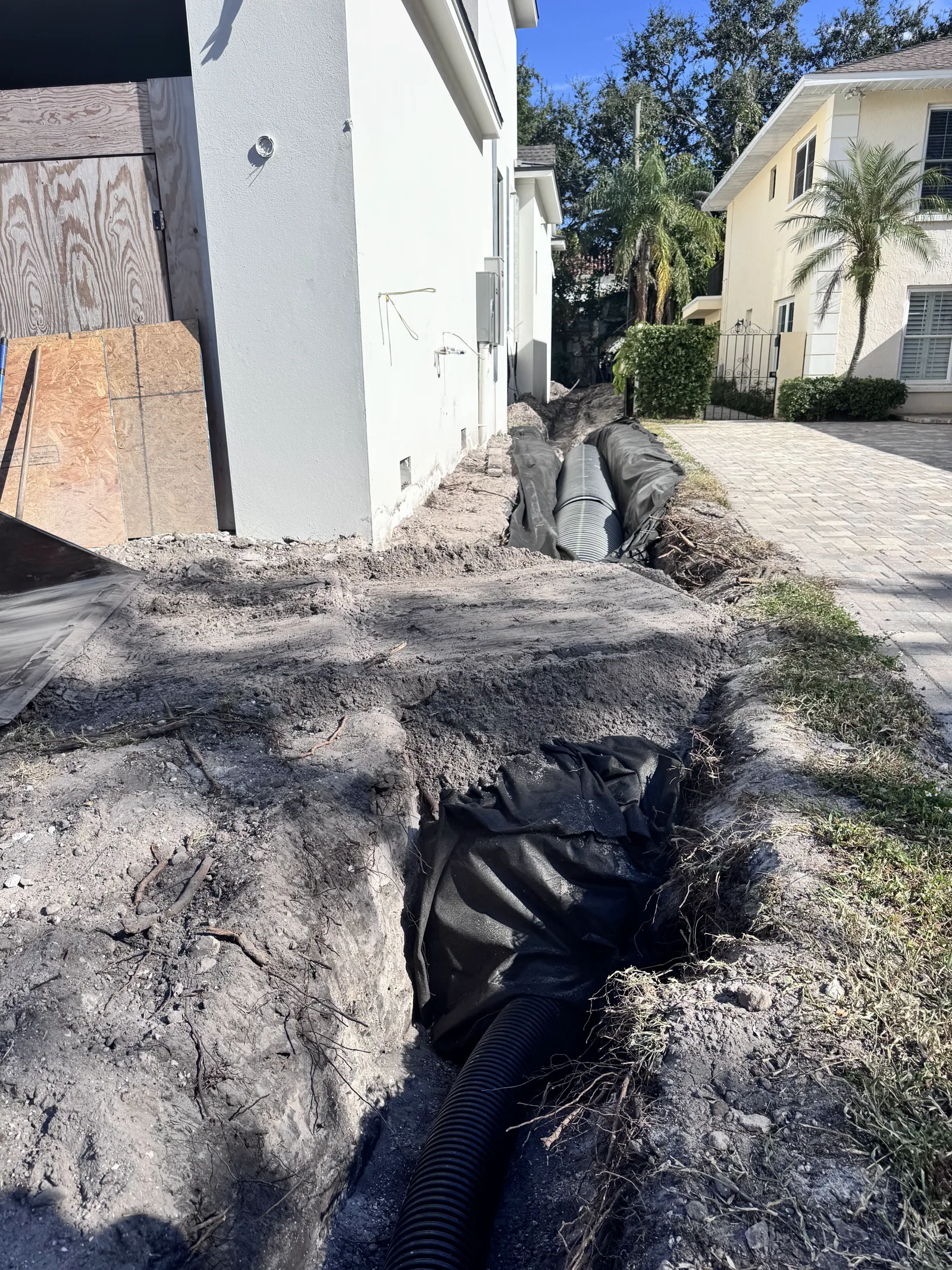
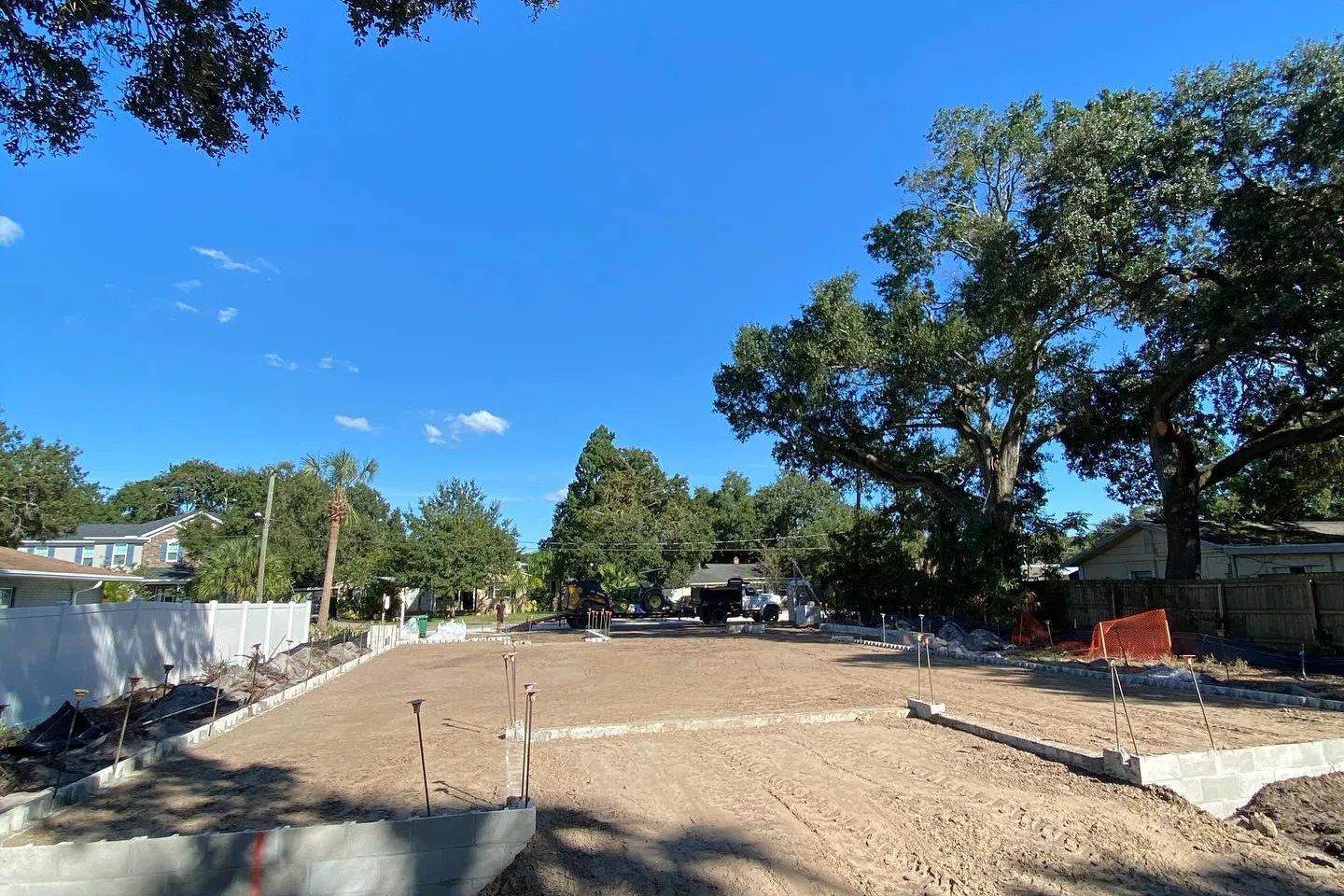
Trying to eliminate your ditch? Ditch piping lays pipe in the open ditch, where the permit allows it. The pipe still carries the water, now under the ground. We backfill over the pipe and grade the strip so you can use it. The fill for the ditch comes in on the same trucks that haul the spoil out. For builders, we set the driveway culvert and can handle the building pad for a new home as well. Standing water away from the road is another job, often handled with a french drain for a soggy yard.
Who issues the permit for your culvert
Start by checking that your address lies within unincorporated Hillsborough County. There, construction work in the county right of way needs a county permit. A new driveway crossing goes on the Driveway Access permit, which covers home driveways. Piping a ditch with no driveway falls under the ROW Use Permit for other uses. You file the application through the county's HillsGovHub portal. Staff review the application and plans, then tell you when the permit is ready. Closing a lane or the road for the work takes a separate Temporary Traffic Control permit.
Inside Tampa, Plant City or Temple Terrace, the county does not issue these permits, so you go to the city. In Tampa, driveway work in the city right of way takes a city right-of-way permit. You apply on the city's Accela website, and review takes about 12 to 15 business days. In Pasco County, the county's permit forms include its own Driveway Connection application. Ask the agency which permit fits your road and your job before any work starts. Get the approved permit and its plan in hand before any digging starts.
What drives the price of a culvert job
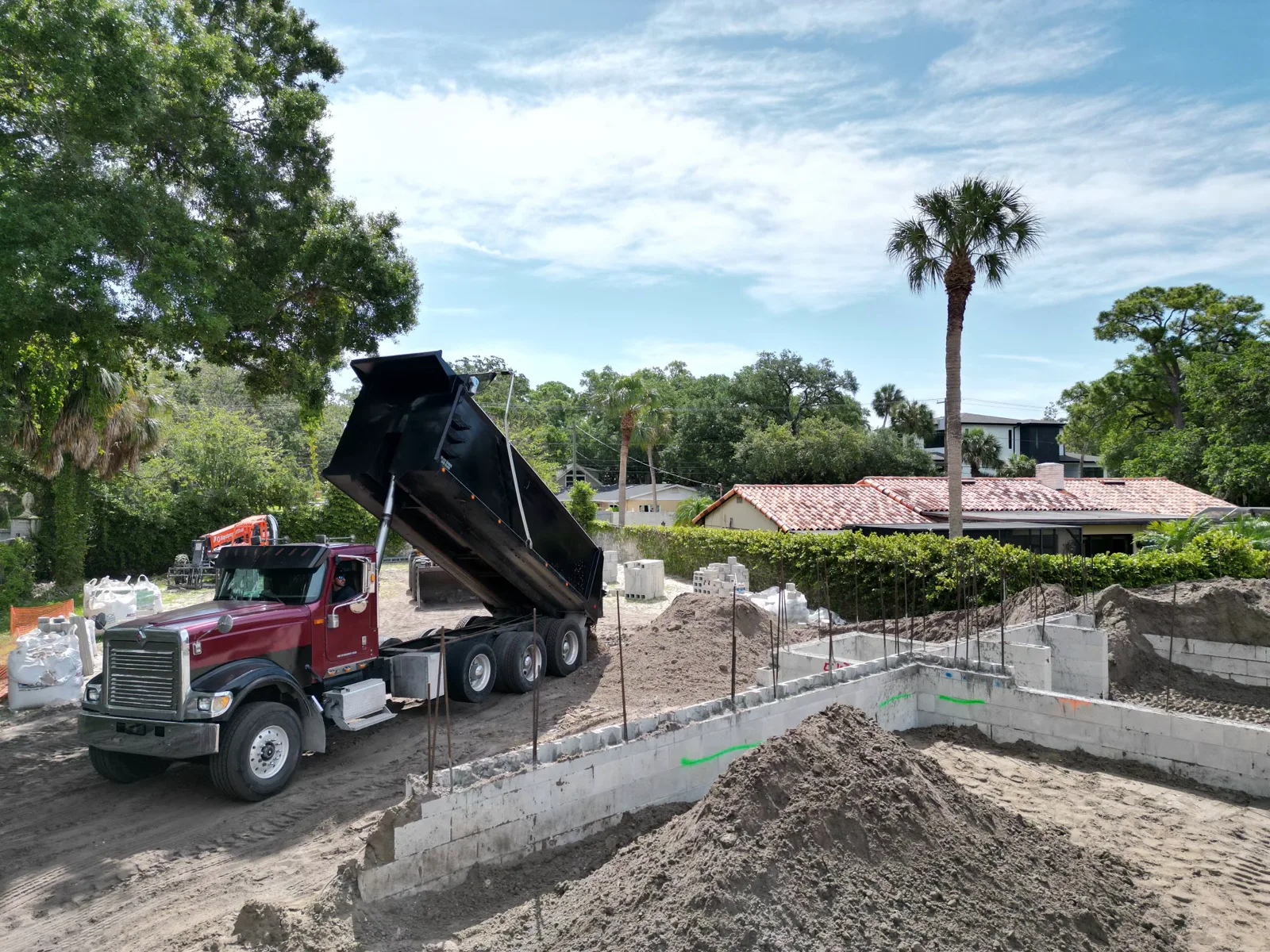
Several things move the price of culvert pipe installation. The first is the pipe the permit calls for, its size and its material. A wider driveway or a longer ditch run needs more pipe and more digging. End treatments add work at each end of the pipe. A deeper ditch means more digging and more backfill. Then comes the haul: old pipe and spoil go out, and fill comes in on our own dump trucks. If an old concrete driveway must be cut out first, that adds a step. Tight access to the ditch can slow the machines.
The paperwork side has its own costs. Permit and inspection fees are set by the agency that issues the permit. In unincorporated Hillsborough, a right-of-way permit includes 5 inspections, and each re-inspection past those carries its own fee. Closing a lane adds a Temporary Traffic Control permit to the job. Rework after a failed inspection adds time as well as fees. We price each culvert job after we see the ditch and the driveway. For published price ranges and the county fee lines, read our guide to culvert installation cost in Tampa.